When an elected official stands before the public and frames a lawful murder conviction as a tragedy, a profound line is crossed in our civic life. Instead of standing shoulder to shoulder with grieving families who have suffered irreparable loss, sympathy is suddenly diverted toward the person responsible for the devastation. It is a troubling dynamic that signals a fundamental breakdown in how leadership views crime, justice, and the sanctity of innocent life.
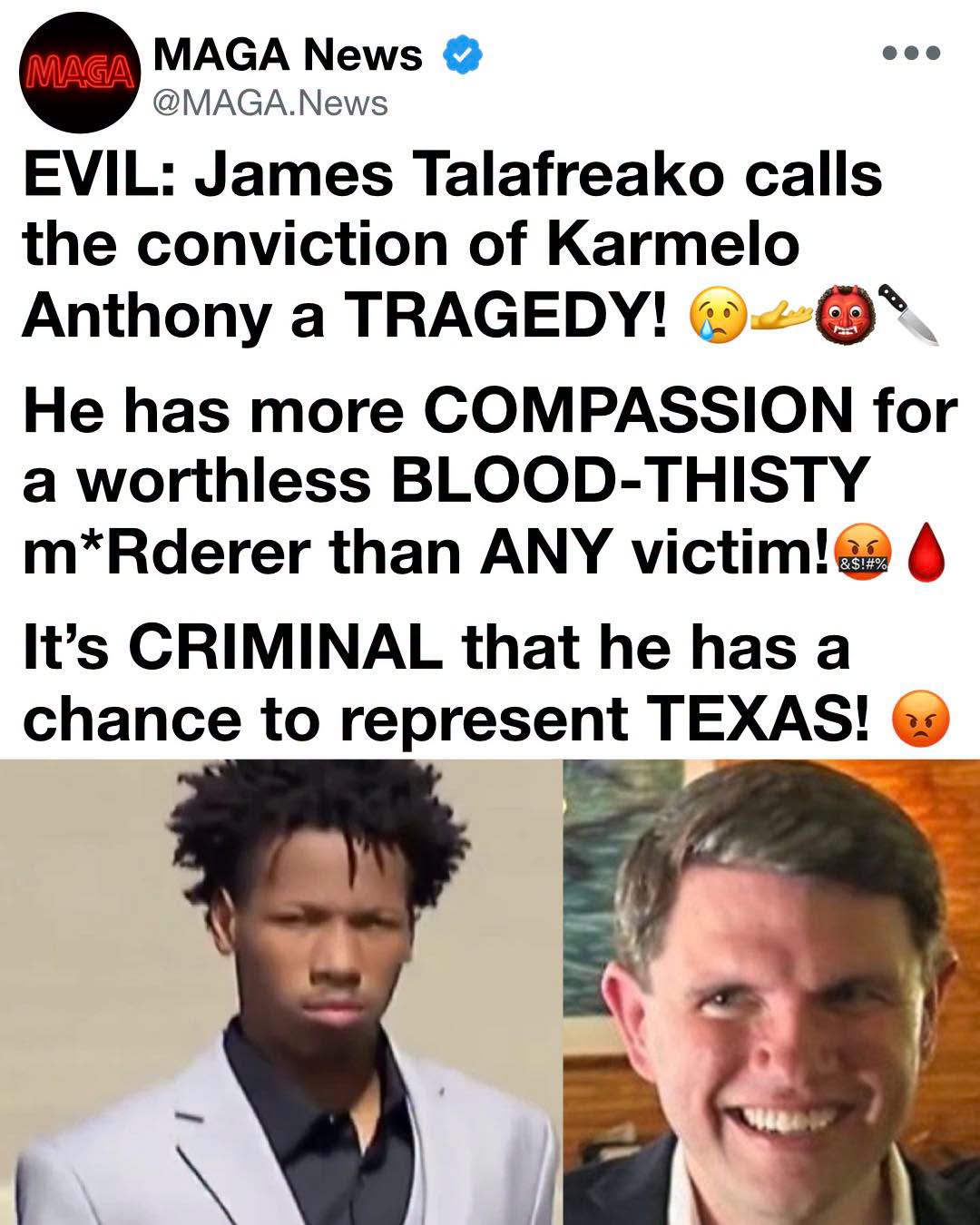
Every time the narrative around a convicted perpetrator is elevated after a jury has rendered its verdict, it undermines the very foundation of our legal system. Jurors sit through evidence, examine the facts, and deliberate carefully to deliver a fair and lawful conclusion. Choosing to respond to that verdict with public lamentation elevates raw emotional appeals above the established findings of the court.
The immediate consequence of this misplaced focus is the quiet erasure of the victims and the families left behind to mourn them. When political figures and public voices rush to humanize and mourn the fate of a convicted killer, the human cost borne by innocent people is shoved into the background. Those who endured the real tragedy are left feeling abandoned by the very leaders sworn to protect their communities.
Observers have repeatedly noted that this pattern represents an inverted sense of moral and civic duty that tears at the social fabric. A society cannot function effectively when those in power exhibit more visible sorrow for the perpetrators of violent crime than for the innocent individuals whose lives were violently cut short. This shift in posture sends a chilling and demoralizing message to every law-abiding citizen across the nation.
Communities that experience violence firsthand do not need public figures who treat lawful accountability as an unfortunate misstep. What these neighborhoods need, and what they rightfully expect, are representatives who recognize that successful prosecutions are vital steps toward restoration and safety. When serious crime is met with definitive legal consequences, it is a necessary outcome that should be upheld with clarity and strength.
The Real Impact on Justice and Community Deterrence
Elevating the convicted offender over the harmed victim strikes directly at the heart of public confidence in the rule of law. When people witness elected leaders questioning or mourning lawful outcomes, trust in deterrence begins to rapidly erode. Criminal justice relies on the clear and unwavering principle that severe actions bring severe, unambiguous consequences.
Critics point out that softening the reality of violent crime through political rhetoric creates an atmosphere of uncertainty and frustration for everyday families. Law-abiding citizens work hard, follow the rules, and rely on the legal system to establish boundaries that keep their neighborhoods secure. When leadership treats the enforcement of those boundaries with regret, the entire framework of public safety is weakened.
A functioning justice system must maintain an unbreakable commitment to truth, accountability, and the protection of the vulnerable. It cannot bend to fleeting cultural sentiments that seek to recast serious offenders as the primary subjects of public concern. The real victims of violent crime are not those who made the conscious decision to break the law, but those whose lives were permanently shattered by those actions.
When public discourse consistently redirects sympathy toward the guilty, it diminishes the pain of parents, children, and spouses who must live with an empty chair at the dinner table. Their suffering is permanent, unchosen, and devastating. Diverting public compassion away from their enduring heartbreak toward the individual who caused it is an injustice in its own right.
Many have pointed out that deterrence only works when the consequences of violent crime are clear, respected, and fully defended by civic leadership. If the public perceives that leaders view convictions with ambivalence, the moral clarity required to discourage future crime begins to fade. True justice requires leaders who possess the backbone to affirm that taking an innocent life demands uncompromising accountability.
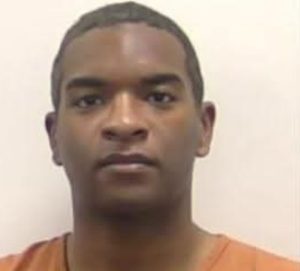

Upholding the rule of law is not a passive exercise that happens by accident; it requires the active, consistent defense of jury verdicts. When twelve citizens fulfill their civic duty and find an individual guilty of a heinous crime, that outcome represents the community speaking through the law. Undermining that resolution with public displays of sorrow for the offender diminishes the dignity of the entire legal process.
Families across the country have a fundamental right to demand leadership that unequivocally stands on the side of justice and public safety. They deserve leaders who understand that the primary duty of government is the defense of innocent lives, not the rehabilitation of public perception for those who destroy them. Clear moral lines are essential for maintaining order and peace within our cities and towns.
Restoring Moral Clarity in Public Leadership
The standards that keep neighborhoods safe are preserved only when society refuses to apologize for enforcing its laws. When serious offenders are cast as sympathetic figures, the standard of personal responsibility is degraded. Protecting the innocent requires an unyielding commitment to holding those who commit violence entirely responsible for the wreckage they leave behind.
Leadership that fails to clearly distinguish between the victim and the perpetrator fosters widespread cynicism and disillusionment among citizens. People begin to question whether the system is truly designed to protect them or if it has become swayed by distorted priorities. Rebuilding that trust requires an immediate return to basic principles of accountability and respect for lawful verdicts.
Every community thrives when there is certainty that violent acts will be met with decisive justice rather than misplaced political hand-wringing. Law enforcement officers, prosecutors, and juries dedicate immense effort to ensuring that dangerous offenders are held responsible under the law. When leaders mourn those outcomes, they effectively disregard the tireless work required to secure justice for victimized families.
Observers rightly emphasize that compassion is a noble quality, but when it is disproportionately directed toward violent offenders, it becomes destructive. Compassion must first and foremost belong to the innocent, the vulnerable, and the families navigating unimaginable grief. Shifting that sympathy to the person who committed the harm is a total reversal of justice.
The expectations of everyday citizens are neither unreasonable nor complex: they want safe streets, strong communities, and leaders who stand firmly with the harmed. They expect public officials to view successful prosecutions as essential milestones in the ongoing effort to preserve public peace. Anything less represents a failure of leadership and a breach of public trust.
Rejecting attempts to soften the reality of murder convictions is vital for the future safety and moral health of our society. We cannot allow public narratives to blur the line between right and wrong, or between lawful accountability and genuine tragedy. The true tragedy is always the loss of innocent life, never the just conviction of the individual who took it.
True strength in governance is demonstrated when leaders have the courage to defend the rule of law without hesitation or apology. By consistently supporting the verdicts that hold violent offenders accountable, leaders reinforce the foundational promise that innocent lives will be protected and honored. It is a necessary standard that must be defended at every opportunity.
Our legal institutions exist to ensure that justice is delivered fairly, factually, and decisively for those who cannot fight for themselves. When those institutions work as intended and deliver a guilty verdict, that outcome must be respected as an essential victory for public order. Standing with victims and honoring the rule of law is the only way to ensure a just, safe, and lawful future for every American family.
No Comments yet!