A Kansas courtroom has delivered a severe reckoning, sentencing a man to more than six decades behind bars for the brutal murder of his own family members. Luke Howard was sentenced to 65 years and 3 months in prison after taking the lives of his mother and aunt inside their Lenexa home. While the sentence ensures he will spend the rest of his days locked away, it leaves behind an agonizing trail of questions.
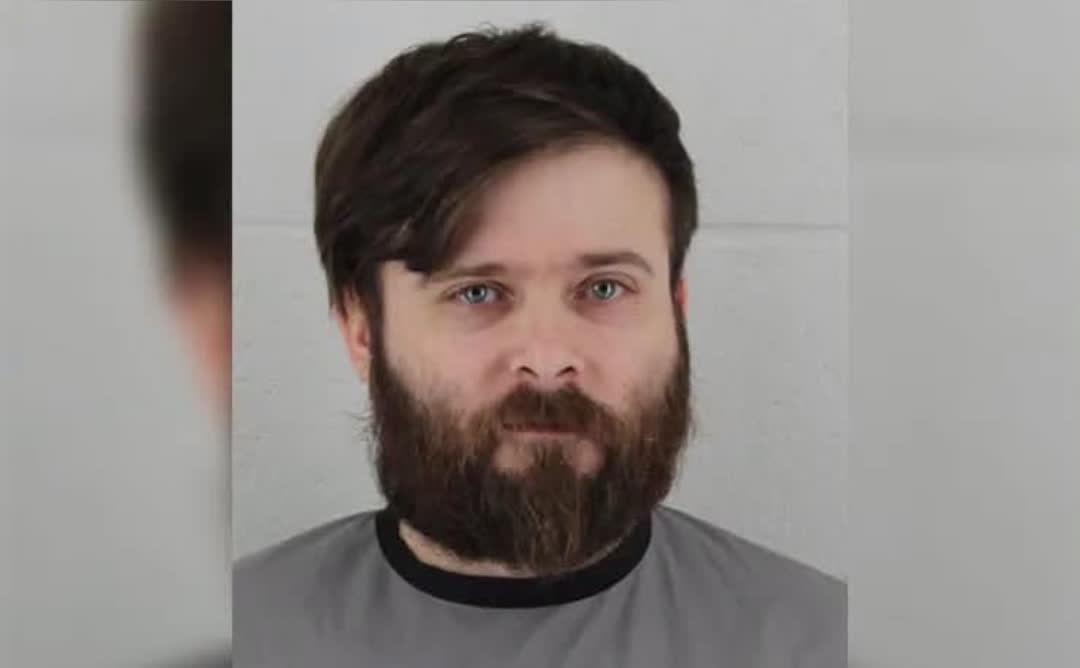
The horrifying tragedy unfolded in February 2025, shattering what should have been a peaceful suburban neighborhood. Two elderly women who should have felt entirely secure within their own residence were violently executed in an explosive domestic dispute. Valerie Howard, 63, and her sister Joyce Austin, 71, lost their lives in an act of violence that many observers insist was entirely preventable.
Howard managed to escape a full public trial by entering a guilty plea in May to two counts of second-degree murder. Prosecutors had originally charged him with two counts of first-degree murder, reflecting the deliberate and lethal nature of the killings. The reduction of those charges through a plea agreement secured a decades-long sentence while bypassing the intense scrutiny of an open courtroom trial.
The grim reality of the crime came to light on February 12, 2025, when police officers arrived at the Lenexa residence to conduct a welfare check. What responding officers discovered inside was a scene of devastating carnage. Both Valerie Howard and Joyce Austin were found dead from gunshot wounds, their lives stolen in an instant inside the very house they shared.
The bizarre aftermath of the double murder took an astonishing turn later that same day across state lines. Rather than attempting to flee law enforcement or hide his actions, Luke Howard walked directly into a Walgreens pharmacy located in Liberty. Once inside, he approached the pharmacy counter and openly confessed to the employees what he had just done.
Court records document the chilling scene that greeted pharmacy workers and the officers who quickly arrived to take him into custody. Howard stood in the store with visible blood staining his clothing, offering an immediate and unprompted confession to the double homicide. He admitted to police without hesitation that he had personally killed both his mother and his aunt.
When investigators questioned him about why he carried out the killings, Howard gave a motive that was as cold as it was senseless. According to court documents, Howard admitted that he killed his aunt because she had evicted him from the house. A standard, civil housing dispute was met with absolute, unforgivable, and deadly retaliation against two defenseless women.
That revelation has ignited fierce public outrage and intense debate across social media platforms. Commentators have pointed out how terrifying it is that an elderly woman attempting to protect her home could be slaughtered simply for setting boundaries. The reality that a legal eviction notice could trigger a double murder speaks to a terrifying level of entitlement and volatile rage.
A Terrifying Countdown Behind Locked Doors
What makes this tragedy so deeply infuriating to the public is the fact that it did not happen without warning. This was not an unpredictable, random act of violence committed by an unknown intruder in the middle of the night. The fatal shooting came directly after multiple police calls were made to the residence in the days leading up to the murders.
Law enforcement had already been summoned to the Lenexa address as the situation inside the residence rapidly deteriorated. Joyce Austin had formally reported to police that Howard was actively threatening her life. She explicitly told officers that she had served him with a 30-day eviction notice, attempting to use lawful channels to remove the growing threat from her home.
Austin was not the only resident who was pleading for help and sounding the alarm to law enforcement. Valerie Howard, the suspect’s own mother, also spoke directly with responding officers about the escalating danger. She informed police that her son had a history of being violent toward her in the past, confirming that his hostility was an ongoing pattern.
The details that both women shared with responding officers paint a harrowing portrait of sheer terror inside the home. The mother and aunt revealed that they had been locking themselves inside their bedrooms as much as possible because they were terrified of Howard. Two senior women were essentially forced to barricade themselves behind closed doors just to survive day to day.
Observers have highlighted the sheer psychological torment those two women must have suffered during those final, tense days. In a place that should have been their sanctuary, they were living under siege, listening for footsteps outside their bedroom doors. Every sound in the hallway was a reminder that an aggressive, volatile relative was roaming freely through their home.
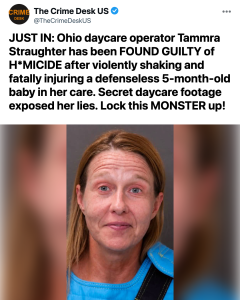 Ohio Daycare Operator Found Guilty of Homicide After 5-Month-Old Infant Suffers Catastrophic, Fatal Injuries in Her Care
 Minnesota Man Sentenced to Life Without Parole in Fatal Shooting of 72-Year-Old Roommate
 KNOCKED OUT COLD: Vermont Man Held Without Bail After Brutal Downtown Burlington Attack Leaves Victim Hospitalized
Austin also provided officers with critical medical context regarding Howard’s mental state during their interactions. She informed police that Howard suffered from bipolar disorder and made it clear that his erratic behavior was terrifying her. The warning signs were not subtle or hidden; they were laid bare directly to the authorities charged with keeping the peace.
Yet despite these urgent reports of threats, past domestic violence, and extreme fear, the intervention fell tragically short. When officers questioned Howard prior to the killings, he simply denied possessing any firearms. Police conducted a search at the time and reported that they did not locate any weapons in the house during their visit.
The question of how Howard obtained the firearm used in the killings remains one of the most troubling aspects of the case. Despite assuring officers that he had no access to weapons, he managed to secure a deadly firearm within hours of that interaction. Observers note that taking a suspect’s word regarding weapon possession in high-risk domestic disputes is a fatal blind spot.
Just two days later, both Valerie Howard and Joyce Austin were dead from gunshot wounds. That 48-hour gap between police contact and a double homicide represents a catastrophic breakdown in protection. Despite the multiple calls, the documented threats, and the women hiding in their bedrooms, the system failed to disrupt the deadly trajectory.
The Glaring Red Flags Left on the Table
The horrifying timeline of this case has left the public demanding serious answers from the criminal justice system. When two women tell police they are locking themselves in their rooms out of fear, observers ask why more was not done. Critics argue that domestic threats and family disputes are too often minimized until it is far too late.
Online commentators and viral watchdogs have rallied around the case under banners like WhiteCrimeMatters, demanding equal scrutiny and accountability. Many have pointed out the glaring double standards in how certain violent offenders are handled by law enforcement prior to committing atrocities. The public conversation surrounding this case cuts straight to the core of how domestic violence warnings are prioritized.
The decision to accept a plea deal for second-degree murder has also drawn sharp criticism from observers following the case. Howard made documented threats, expressed rage over being evicted, and ultimately acquired a firearm to carry out the killings. To many critics, reducing the charges from first-degree murder downplays the calculated, retaliatory nature of this double homicide.
While a sentence of 65 years and 3 months effectively guarantees that Howard will never walk free again, it offers little comfort. A lengthy prison term punishes the perpetrator, but it does nothing to bring back two innocent women who begged for help. Many have noted that justice delivered after the fact is a painful reminder of preventative failure.
The tragic truth of this case is that Joyce Austin followed every single rule established by the legal system. She did not take matters into her own hands; she issued a formal 30-day eviction notice. She called the police when she was threatened, reported his mental health struggles, and sought official intervention to protect herself.
Valerie Howard also did everything within her power to signal the extreme danger she was facing under her own roof. She told responding officers about her son’s violent past and took refuge behind a locked bedroom door. Yet despite doing everything right, both women were left vulnerable to the very violence they had desperately warned authorities about.
The image of Howard walking into a Walgreens with blood on his clothes confessing to retail workers remains profoundly disturbing. It demonstrates a callous, remorseless attitude from a man who executed his own mother and aunt over a housing disagreement. His casual admission to store clerks highlights the chilling detachment with which he carried out this horrific crime.
Communities across the country must look closely at what happened in Lenexa as an urgent warning about domestic violence intervention. When victims report that they are barricading themselves in their own bedrooms, the official response cannot simply end with verbal denials. The red flags in this case were glaring, persistent, and documented, yet they were not enough to halt the tragedy.
Valerie Howard and Joyce Austin deserved to live out their lives in peace, safety, and security within their home. Instead, their lives were violently extinguished in an act of domestic fury that has left an entire community mourning. As Luke Howard begins his 65-year prison sentence, the haunting question will never fade: why wasn’t more done before it turned deadly?
No Comments yet!