Massive public infrastructure projects were once pitched as the definitive proof of modern ambition and national progress. Today, they have transformed into towering monuments of unfinished concrete, runaway timelines, and ballooning budgets that drain the public purse. When billions of taxpayer dollars vanish into half-built corridors, working families have every right to be furious.
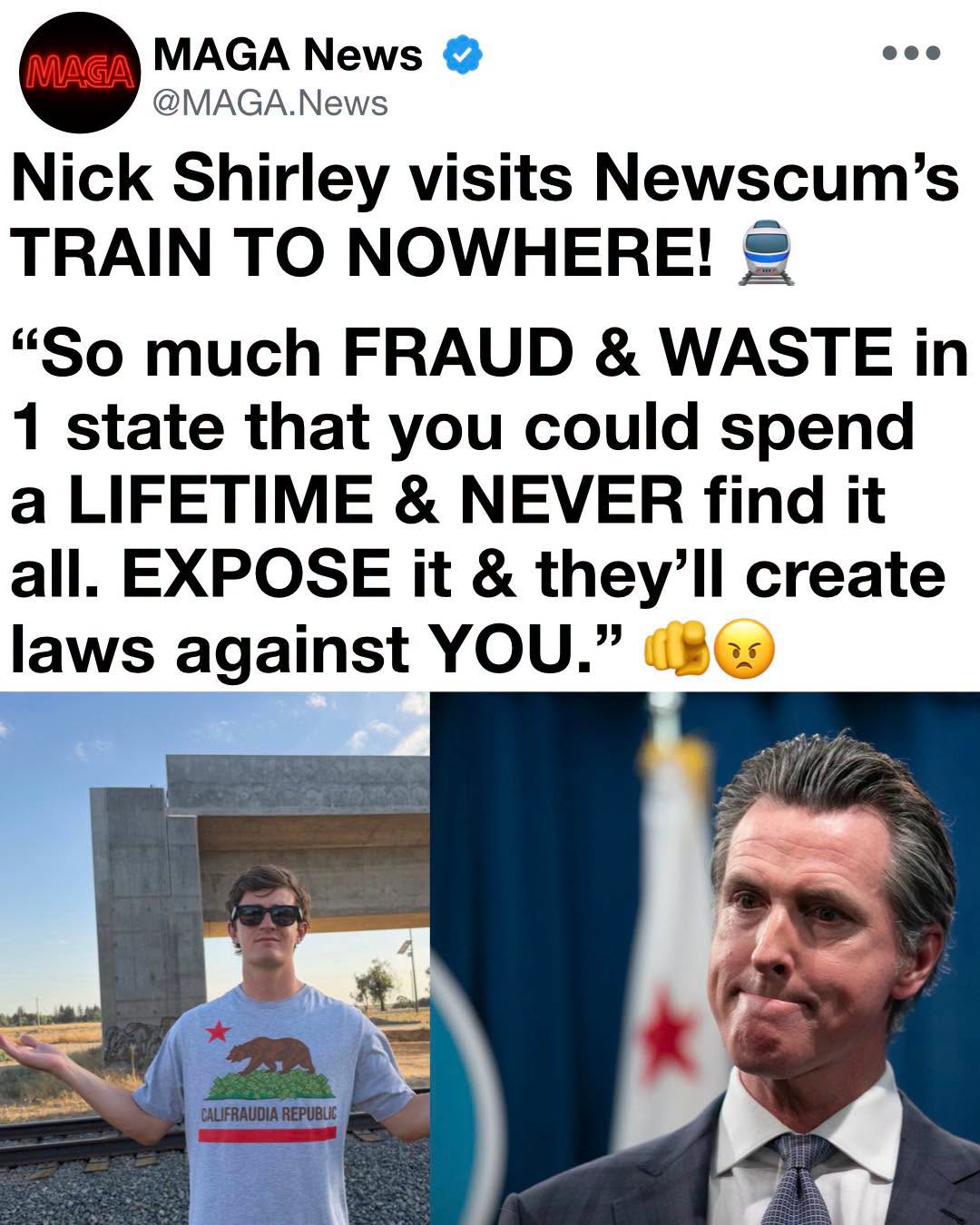
There is no greater symbol of this systemic failure than the spectacle of a high-speed rail project that has dragged on for years without delivering on its core promises. Instead of fast, efficient travel connecting communities, the public is left looking at vast stretches of desolate, idle ground. The gap between what was promised and what exists is impossible to ignore.
Every single dollar poured into these bloated mega-projects comes straight out of the paychecks of everyday working citizens. When leaders treat the public treasury like an endless supply of free capital, accountability disappears entirely. Taxpayers are not passive bystanders in this process; they are the sole investors who are being forced to shoulder the crushing weight of bureaucratic failure.
The demand for answers is not an act of political sabotage, but a fundamental civic duty that keeps governance honest. When a project falls years behind schedule while its price tag explodes beyond recognition, the public deserves total clarity. Demanding an exact accounting of where every single cent went is the bare minimum standard for any civilized society.
Independent scrutiny should be welcomed with open arms by any administration confident in its management and fiscal discipline. Yet, across the board, outside observation is increasingly treated as an existential threat rather than a necessary check on power. True public service lies with those who dare to turn on the lights and document the truth.
When projects fail to materialize, the instinct of entrenched bureaucracy is almost always self-preservation rather than honest reform. Millions upon millions of dollars are funneled into conceptual designs and endless administrative reviews while the actual physical results remain practically nonexistent. This endless cycle of spending without delivery has pushed public patience past the breaking point.
Instead of admitting miscalculations or adjusting course, project defenders often double down on rhetoric that defies reality. They insist that the next phase will magically fix the structural problems of the past, even as the costs climb higher. It is a classic pattern of unchecked spending where no one is ever held personally accountable for disastrous results.
The reality on the ground tells a story that glossy press releases and staged ribbon-cuttings can never hide. Massive spans of empty concrete sit baking under the sun, surrounded by idle machinery and abandoned staging areas. These visual reminders of mismanagement are precisely why institutional forces fight so hard to control the narrative.
The Bureaucratic War on Independent Watchdogs
Efforts to expose government waste invariably run into an impenetrable wall of institutional resistance and defensive posturing. The sheer scale of mismanagement on these rail projects is so immense that defending it on the merits has become completely impossible. When the facts cannot be defended, the immediate response from entrenched power is to shut down the conversation entirely.
Instead of fixing the underlying structural failures, some authorities have moved toward creating deliberate legal obstacles for independent observers. Setting up arbitrary restrictions to penalize those who film empty corridors and dormant construction sites only deepens public distrust. When documenting government waste is treated like a punishable offense, it signals that leadership has something major to hide.
 A Mockery of the Game: Viral Stunt at Las Vegas Aces Arena Exposes the Absurdity Threatening Women’s Basketball
 Virginia mom on child abuse registry after 5-year-old walked alone: ‘I didn’t send him to play at the pond’
 Outrage Erupts Over Allegations of Vacant Facilities Billing Millions in Taxpayer Dollars While Funneling Cash to Political Figures
Citizens and investigative watchdogs who bring cameras to public sites perform an invaluable service for their fellow taxpayers. They provide the unfiltered truth that official agency updates work tirelessly to obscure. Without independent eyes on the ground, the true extent of project stagnation would remain buried beneath layers of bureaucratic spin.
Shielding failed public ventures behind bureaucratic red tape and legal barricades is a dangerous attack on basic transparency. Working families deserve to see exactly how their hard-earned wages are being utilized in real time. Any attempt to restrict the right to record and report on taxpayer-funded infrastructure undermines the core foundation of open governance.
Transparent accounting and honest timelines are not negotiable perks that public agencies can choose to grant or withhold. They represent the foundational baseline for any project bankrolled by the public. When those managing these billion-dollar initiatives fail to meet that baseline, the answer is more oversight and intense scrutiny, not less.
The California Warning Sign for the Nation
California’s ongoing experience with high-speed rail provides the definitive masterclass in what happens when political ambition completely overrides practical delivery. The state embarked on a grand vision with boundless promises of revolutionary transit, only to collide head-on with economic reality. Today, it stands as a stark monument to what occurs when ideology replaces operational competence.
The sequence of events in California follows a disastrous pattern that citizens and taxpayers across the entire nation must recognize. It begins with grandiose rhetoric and astronomical funding requests, quickly followed by persistent shortfalls, delays, and budget revisions. Finally, when the public questions the glaring lack of progress, the establishment responds with hostility and defensive maneuvers.
Grand promises mean nothing when the physical tracks are absent and the financial projections are in absolute tatters. Measuring real-world results against political rhetoric is the only way to prevent runaway spending from bankrupting public coffers. When leaders refuse to measure success by tangible delivery, failure becomes institutionalized and permanent.
Communities across the country must look closely at this dynamic before buying into similar high-cost infrastructure pitches. Blind faith in centralized planning has proven time and again to be a recipe for financial disaster. Without strict guardrails and ruthless enforcement of deadlines, these projects inevitably degenerate into bottomless money pits.
Accountability cannot exist in a vacuum where officials are shielded from the direct consequences of their decisions. The right to investigate, document, and report on public projects must be protected with absolute determination. When authorities try to legislate away scrutiny, it is a glaring confession that their projects cannot withstand the light of day.
True patriotism and love of country mean fighting to ensure that public resources actually serve the public interest. Hardworking taxpayers deserve infrastructure that connects communities, strengthens commerce, and respects the value of a dollar. They do not deserve hollow excuses, endless delays, and walls of unfinished concrete.
The path forward requires an uncompromising commitment to radical transparency and total institutional accountability at every level. The era of writing blank checks for unfinished mega-projects must come to a definitive end. By defending the right to expose waste, citizens can ensure that public ambition finally matches practical delivery for generations to come.
No Comments yet!