The public sidewalk has always stood as the ultimate proving ground of American liberty. When everyday citizens step out to peacefully assemble, speak, or bow their heads in quiet prayer, they are exercising the bedrock rights guaranteed by the First Amendment. But across the nation, an alarming pattern has emerged where selective restrictions threaten to dismantle that very foundation.
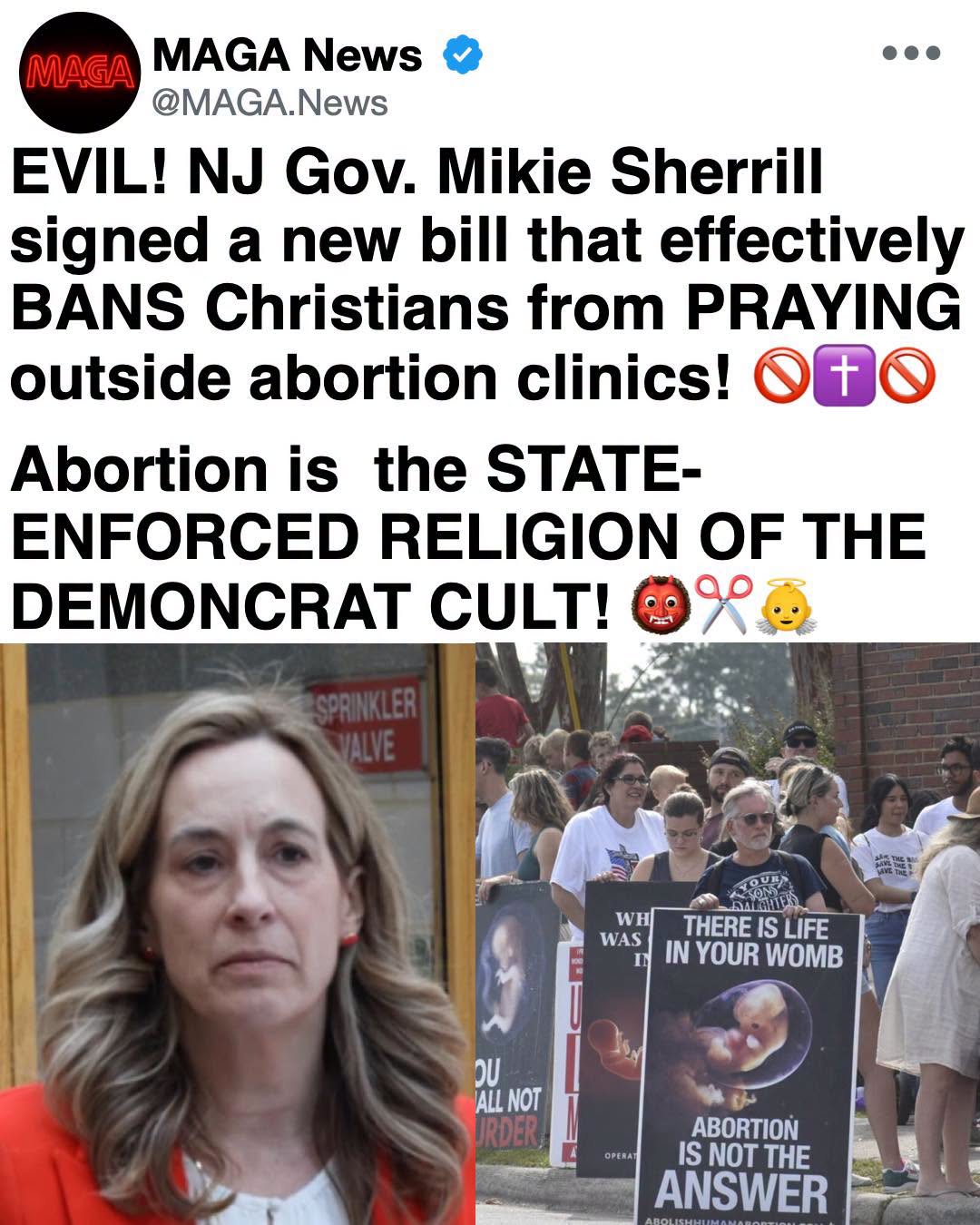
Restrictions that specifically single out peaceful prayer and sidewalk counseling near abortion facilities reveal an unsettling double standard in our legal system. When government power steps in to censor quiet, expressive conduct while permitting other types of public activity, the core principle of free expression is severely compromised. It sends a chilling message to anyone seeking to exercise their constitutional rights in the public square.
The moment the state prohibits religious speech in public spaces while protecting other forms of assembly, equal treatment under the First Amendment takes a back seat. Constitutional guarantees are suddenly subordinated to preferred policy outcomes, creating a fractured and unequal legal landscape. In this environment, fundamental freedoms are no longer treated as universal protections, but rather as conditional privileges granted at the discretion of authorities.
In the United States, citizens do not need official permission from the government to gather, speak, or pray on a public sidewalk. These rights are not leased out by state administrators or subject to bureaucratic licensing schemes. They belong intrinsically to the people, serving as an enduring and non-negotiable safeguard against the overreach of government power.
Yet, laws engineered to suppress one specific perspective while leaving competing viewpoints completely untouched construct an artificial hierarchy of acceptable conscience. Under such a system, certain government-approved beliefs are favored, while others are deemed unacceptable for public display. This selective enforcement cuts directly against the grain of what a truly free, open, and constitutionally sound society is supposed to represent.
Sidewalk counselors and individuals who pray outside these facilities are engaging in classic, time-honored expressive conduct. For generations, the public walkway has been recognized as the quintessential forum for debate, peaceful outreach, and the sharing of heartfelt messages. Stripping away that historical protection sets a dangerous legal precedent that should deeply concern every advocate for free speech.
When authorities move to criminalize a peaceful presence, they are effectively treating moral opposition itself as the offense. Instead of focusing law enforcement on actual disruptions, genuine threats, or unlawful conduct, the state shifts its power toward penalizing personal conviction. That fundamental shift replaces the rule of objective law with the aggressive policing of subjective thought.
Many observers note that once the state begins regulating speech based on the content of a message, true legal neutrality completely disappears. If peaceful prayer can be outlawed simply because of the location where it occurs, no public forum remains truly safe. The universal standard of free expression quickly dissolves into a convenient tool for suppressing unpopular or challenging ideas.
A truly free society does not demand that its citizens remain silent about profound matters of life and death. The urgency and importance of these vital moral questions do not suddenly vanish because an activity happens to take place near a licensed medical facility. Conscience cannot be walled off simply to maintain an artificial bubble of administrative comfort for specific institutions.
The Dangerous Erosion of the Public Square
Protecting the fundamental ability to pray and offer counseling on public property reaffirms an essential constitutional truth that must never be forgotten. No medical procedure, industry, or licensed business possesses the authority to place the surrounding sidewalk beyond the reach of the Bill of Rights. Public property belongs to the public, not to the commercial or institutional interests adjacent to it.
Critics argue that carving out speech-free buffer zones around specific establishments creates dangerous geographic exceptions to basic American liberty. If the government can suspend the First Amendment on a sidewalk outside one type of facility, it can do so anywhere it chooses. That slippery slope ultimately allows officials to dictate exactly where, when, and how citizens are allowed to voice their deepest convictions.
The right to offer help, speak gentle words of encouragement, or engage in quiet intercession is expressive conduct at its most fundamental level. These peaceful actions do not block public thoroughfares, nor do they pose an inherent threat to public order or safety. Treating them as inherently criminal reveals a deliberate attempt to clear the public square of an inconvenient viewpoint.
True freedom of assembly cannot exist if it can be turned on and off depending on which policy goal the government happens to favor. When the state picks and chooses which messages are permissible based on political expediency, the integrity of the Constitution is severely undermined. The law must remain an impartial shield for all, not a selective weapon against disfavored groups.
Observers emphasize that peaceful speech must be protected precisely when it addresses matters of deep ethical, moral, and cultural significance. A society that forces silence on its most critical debates is a society that has lost confidence in the strength of its own founding ideals. Public debate cannot thrive when government mandates demand total quiet outside favored establishments.
Public sidewalks have long served as the town square where ordinary people can reach their fellow citizens with messages of hope, compassion, and moral support. To outlaw peaceful conversation in those spaces is to sever the historical connection between public property and free expression. When the state closes that door, it diminishes the rights of every single American, regardless of their personal beliefs.
The Vital Demand for Equal Constitutional Protection
The heartbeat of the American constitutional framework is the unwavering demand for equal enforcement under the law. When regulations treat one category of speaker with suspicion while granting leniency to others, the entire concept of equal justice begins to crumble. Objective neutrality is the only standard that preserves the rights of all citizens, regardless of the cause they support.
When peaceful individuals are threatened with severe legal penalties simply for extending a hand of assistance, the justice system loses its moral compass. The government has no legitimate business acting as an ideological gatekeeper of which peaceful conversations are allowed on a public pathway. Public sidewalks must remain fully accessible to all voices, unburdened by state-sponsored censorship and viewpoint discrimination.
Every citizen who values the foundational promises of the First Amendment has a direct and immediate stake in this critical fight. If the state is permitted to silence peaceful prayer today, there is no limiting principle to prevent it from targeting other forms of speech tomorrow. Freedom is indivisible, and allowing selective bans inevitably undermines the security of every American’s liberties.
The ability of the individual to stand publicly and speak from conscience is the ultimate check against overreaching state authority. When citizens step forward to pray peacefully, they exercise an ancient and enduring right that predates any modern statutory scheme. Preserving that sacred liberty requires constant vigilance and an uncompromising defense against subtle, creeping encroachments by government officials.
A strong and vibrant republic does not fear the quiet voices of conscience gathering peacefully on its public streets. It embraces the open exchange of ideas, recognizing that true liberty requires ample room for peaceful dissent, moral witness, and compassionate outreach. Shutting down that vital outreach harms not only the speakers, but the very fabric of our free and open society.
Equal enforcement of speech protections remains the only consistent, durable, and just standard for the future of our nation. Public sidewalks must stay permanently open, free, and fully protected by the enduring promise of the Constitution. Standing up for the right to pray and counsel in the public square is, at its core, standing up for the fundamental soul of American freedom.
No Comments yet!